
An opinion we’ve lived by since day one…
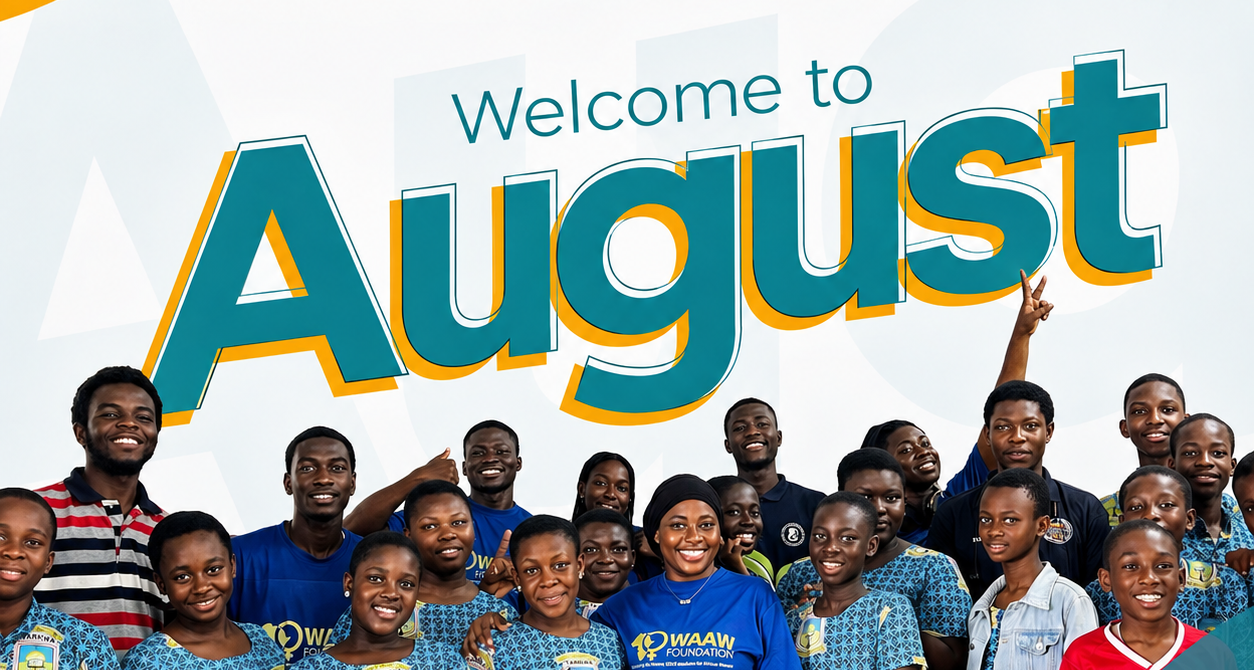
African girls in STEM are the future. See how our fellows proved it across 5 countries this July!
Can we play a quick game of Two Truths and One Lie?
We recently put out a post as a team on the “hills we’ll die on”—the core convictions we’ll defend come rain or shine. While reflecting on our recent work, one truth stood out above all: African girls in STEM are the future, and the world has to realize that and invest now.
July showed that in full force through the way our fellows showed up across campuses, communities, and classrooms across Africa.
Before we dive in, here is your challenge for the day:
-
Our fellows ran 28 outreaches across 5 African countries in July, directly impacting 1,409 girls.
-
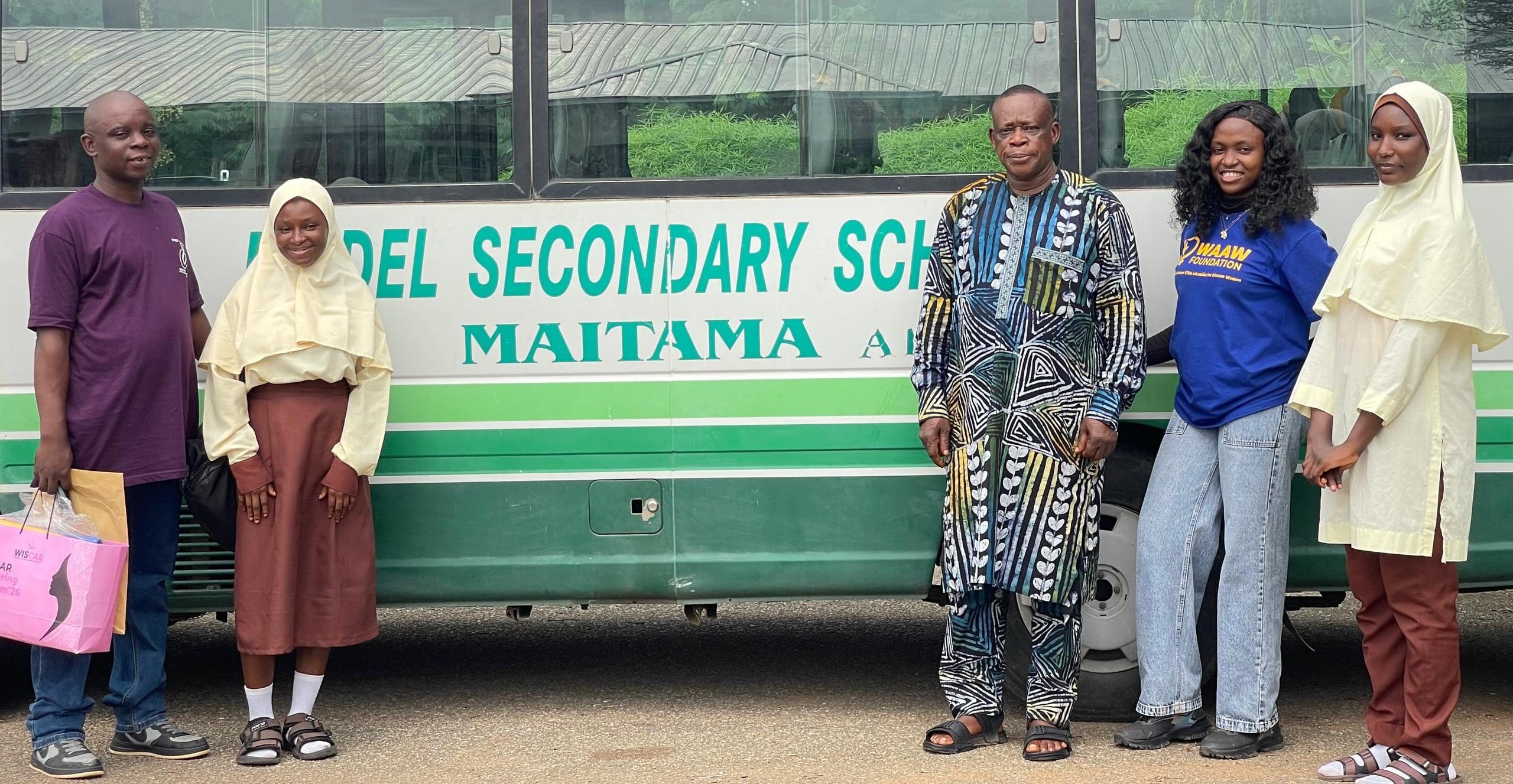
In Abuja, our team surveyed 10 public secondary schools across all 6 Area Councils to evaluate science lab readiness.
-
The July Chapter of the Month award and $100 prize went to our Eduardo Mondlane University Chapter in Mozambique.
Which one is the lie?
Hold your guess while we walk through what went down this month!
College-to-Secondary (C2S) Outreaches
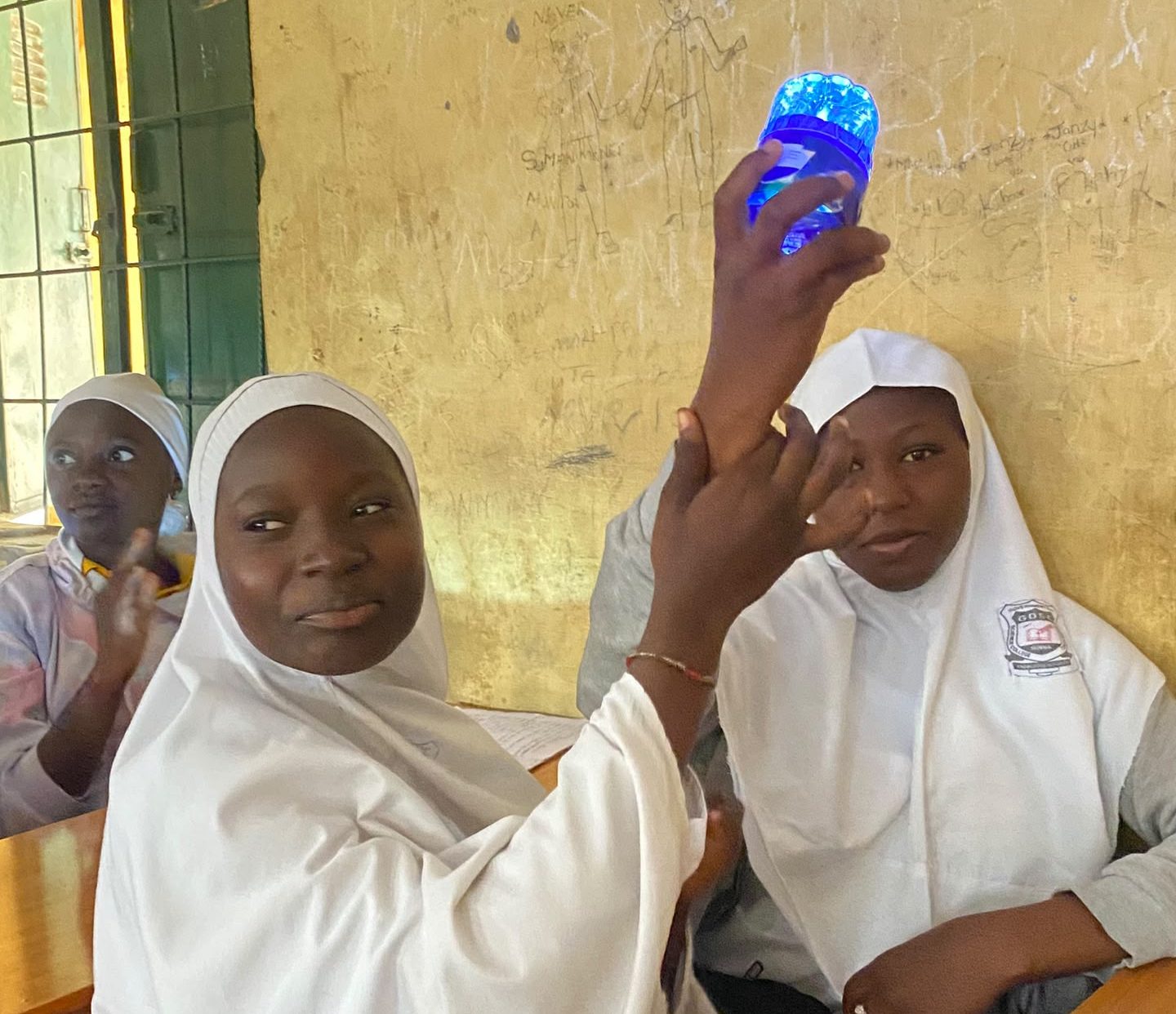
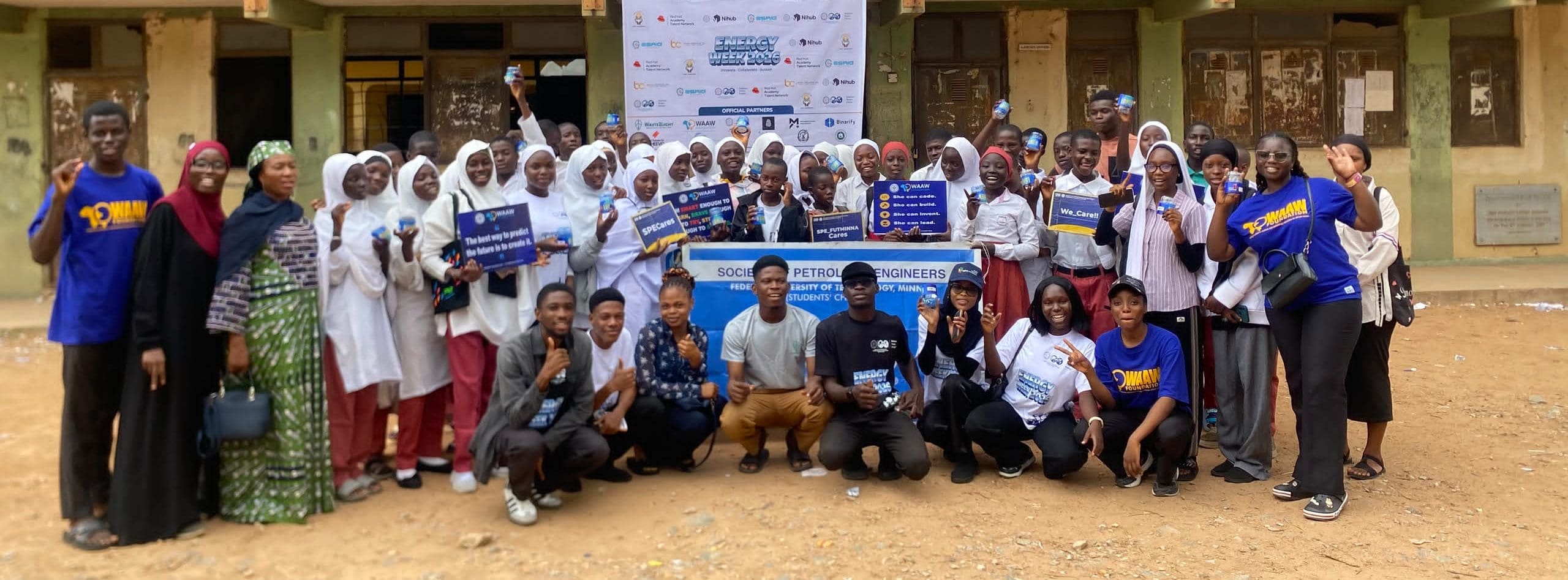
This month, WAAW scholars and fellows across Cameroon, Eswatini, Ghana, Nigeria, and Senegal took hands-on STEM straight into local classrooms.
-
Reach & Scope: Executed 28 outreaches across government, private, and faith-based schools, directly impacting 2,067 students (including 1,409 girls) and engaging 103 local teachers.
-
Hands-On Innovation: Demonstrations spanned AI learning tools, robotics, renewable energy, and the LUMEN Project—a portable lighting device built from recycled plastic materials.
-
Mindset Shifts: By seeing female university students lead technical builds and code demonstrations, young girls began shifting from passive observers to active problem-solvers.
“Early exposure broadens STEM aspirations. When girls see young female engineers leading technical sessions, engineering stops being an abstract concept and becomes an achievable pathway.”
Evidence-Based Policy: Rise Up Together Baseline Survey
Policies look wonderful on paper, but they only matter if they change the reality of a girl standing inside an under-resourced science lab. We believe that if you want to fix systemic barriers, you need hard, indisputable evidence.
That’s why our team kicked off the baseline assessment for our Rise Up Together advocacy initiative, in collaboration with our Technical Partner, the Federal Ministry of Innovation, Science and Technology, and supported by the FCT Secondary Education Board.
We visited sampled public secondary schools across all 6 Area Councils in the Federal Capital Territory (Abuja). We spent time observing science laboratory readiness and having honest, unfiltered conversations with science teachers and senior female students (ages 15–18) enrolled in science tracks.
This dataset provides the empirical groundwork we will use to advocate for real, measurable policy implementation across Nigeria’s innovation ecosystem.
Community Growth & July Fellows Meetup
Inspiration flows down, but transformation happens sideways—when peers support and challenge each other.
This month, our 2026 Scholars officially began setting up new STEM Advocacy Chapters on their university campuses. At the same time, fellows gathered virtually under the theme “Beyond Our Campuses: Sharing, Learning, Growing,” anchored by Dubila Berinyuy (University of Bamenda Chapter, Cameroon).
Instead of a generic lecture, fellows taught each other the digital tools powering their academic productivity:
-
NotebookLM: Introduced by Adiat Anifah (Medicine, LAUTECH Chapter, Nigeria) for organizing complex study materials and research notes.
-
Consensus AI: Demonstrated by Israel Durotoye (Mechatronics Engineering, FUTMINNA Chapter, Nigeria) for streamlining literature reviews.
-
SuaCode: Highlighted by Ny Antsa (Chemistry, Université d’Antananarivo, Madagascar) as a practical resource for mobile coding.
Monthly Chapter Recognitions
-
Chapter of the Month ($100 Prize): Ahmadu Bello University (ABU Zaria), Nigeria — for executing a massive 8 outreaches in a single month!
-
Growth & Grit Spotlight: University of Eswatini Chapter — for bouncing back and rebuilding their chapter momentum with inspiring resilience.
What’s Next for August
Impact isn’t a one-off event; it’s a continuous build. Here is what we are stepping into next:
-
ImpactHER Africa Enterprise Training: A 6-week hard-skills business and digital training program in partnership with ImpactHER Africa to help tech-literate young women turn their skills into viable enterprises.
-
Abuja STEM Teachers Training Prep: Finalizing stakeholder approvals and partner alignment for a 5-day intensive STEM Teachers Training coming to the FCT in September.
-
August Fellows Meetup: Commemorating International Youth Month under the global theme “Different Contexts, Common Aspirations,” focusing on leadership, innovation, and career growth.
Did You Spot the Lie?
Statement #3 is the lie!
While Milene Manhamanha , the Chapter Lead from Eduardo Mondlane University in Mozambique, joined the call and gave a huge shoutout to FUTMINNA’s digital strategy, the July Chapter of the Month award and $100 prize actually went to Ahmadu Bello University (ABU Zaria) in Nigeria for conducting 8 outreaches in a single month!
Thank you for standing with us as we build a world where African women don’t just participate in STEM—they lead it.
Opportunity Corner
Explore these global internships, fellowships, and scholarship funding opportunities currently open for African students and researchers:
1. 2026 African Union AfCFTA Internship Overview: Hands-on experience working directly with the African Continental Free Trade Area (AfCFTA) Secretariat under the African Union. Apply Here
2. Commonwealth Fellowship Programmes 2026/2027 (Fully Funded) Overview: UK Government-funded fellowship providing a monthly allowance of £2,753, conference allowances, travel costs, and research funding in the UK. Apply Here
3. Japan Africa Exchange Scholarship 2027 (Canon Foundation & Kyoto University) Overview: Offers €27,500 per year to selected African candidates to cover living stipends and research/travel costs in Japan. Apply Here
4. Chevening Awards Scholarship 2027/2028 Overview: Prestigious fully funded UK Government scholarship covering tuition and living expenses for outstanding international professionals pursuing Master’s degrees. Apply Here
5. 2026 AERC–World Bank Visiting Scholars Program Overview: Fully funded 4 to 6-month research residency at the World Bank for African researchers focusing on economic development policy. Apply Here
Connect With Us & Support Our Mission
Every contribution fuels grassroots STEM impact across Africa.
Share: Enjoyed this update? Share this post with someone in your network who believes in the power of women in STEM!